Are young people in South Africa learning the right skills?
Many aren’t. That’s the truth.
In a country where over 60% of young people are unemployed, it’s time we ask the hard question:
Are our youth really being equipped with the skills they need for today’s world?
We meet youth all the time who finished school, maybe even studied further, but they still don’t know where to start when it comes to work, running a business, or using basic tools like email or spreadsheets.
So what’s going wrong?
Most of the education system is still stuck in the past. Young people are being taught theory, but not how to use it in real life. They don’t get much exposure to digital tools, and they’re not learning how to work with others, manage their time, solve problems, or communicate clearly. These are all basic things you need in any job or business.
And even when youth are eager to learn, many can’t access the right programmes. The internet is expensive. Courses are either too advanced, too long, too expensive, or just not made for people who come from communities where opportunities are already limited.
The Reality of Skills Development in South Africa
Despite progress in policy and education access, our current systems are still failing many young South Africans. Here’s why:
- Outdated education models focus too heavily on theory, with little emphasis on practical or digital skills.
- Limited access to quality training means that youth in rural or under-resourced communities are left behind.
- A mismatch between education and the job market continues to grow — especially as industries become more digitized.
- Soft skills like communication, critical thinking, and problem-solving are often overlooked, yet essential in any career or entrepreneurial journey.
This results in young people leaving school or even tertiary education without the skills, attitude, or networks needed to succeed.
What Needs to Change?
So, what can we do?
Make learning practical. Not just for exams, but for life.
Most learners are taught to pass tests, not to apply what they know. That’s why someone can pass Grade 12 but still not know how to write a CV, apply for a job, send a professional email, or use basic Excel.
What we need is short, hands-on learning. For example, instead of just explaining what a business is, show them how to register one, open a business account, and do simple bookkeeping. Teach by doing.
Meet young people where they are.
Many youth don’t have laptops, Wi-Fi, or transport. So putting everything online or expecting them to travel far for training doesn’t work. We need to offer flexible options. That can include:
- Mobile-friendly learning
- Offline workbooks
- Physical workshops hosted in communities
- WhatsApp learning support. If someone can use WhatsApp, they should be able to learn from their phone. For Whatsapp learning, check out Digify Africa www.digifyafrica.com
Offer more short courses, more mentorship, and more exposure to work environments.
A lot of unemployed youth feel stuck because they haven’t seen how the real world of work or business looks. Even a two-week placement or one business visit can open their eyes.
Let’s keep courses short and focused. A 3-month digital skills course is more useful than a one-year generic programme. Mentorship is also key. Learners need people who can guide them through decisions, help with confidence, and open doors.
Check our free online course here https://kefilwe-s-site-b67a.thinkific.com/products/courses/ai-placeholder
Train the trainers.
Just because someone has a qualification doesn’t mean they can teach. We’ve seen many facilitators talk down to learners or rush through content. We need to support our trainers with real tools and upskilling.
For example, instead of using long PowerPoints, show trainers how to run a session using group activities, role play, case studies, and storytelling. A good trainer knows how to adapt when the learner is struggling.
Involve businesses in shaping the training.
Many courses are designed in isolation from the people who are hiring or buying services. That’s why learners struggle to find work after they graduate. Businesses should help define what skills they actually need.
For example, if a mining supplier needs admin assistants who can use Sage or Pastel, then that should be part of the training. If a media company wants video editors, let’s partner with them to teach editing skills and offer internships. When businesses are part of the process, learners have a better shot at real opportunities.
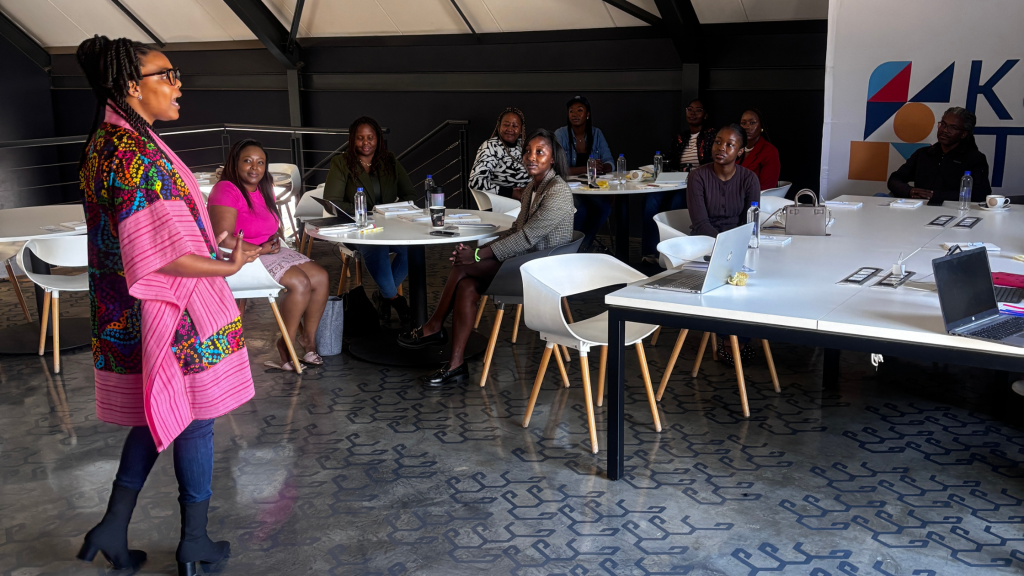
Here’s how we do it at Kefilwe Tsela Academy:
We focus on youth aged 18 to 34 who are not in school, not working, and not studying.
We run hybrid and offline programmes so that even if you don’t have a laptop or Wi-Fi, you can still learn.
We teach digital skills, entrepreneurship, workplace readiness, and basic business tools.
We don’t just teach — we coach, we mentor, we build community.
We don’t assume people know things. We show you, step by step.
Most of our learners come in saying, “I need help with this issue” — and we build from there.
This is not a once-off solution. It’s ongoing work. But if we want to solve youth unemployment, we have to start here — with skills that make sense, delivered in a way that actually works.
BE PART OF OUR NEXT COHORT.
Intake is currently open for our accredited NQF 4 Technopreneur intake. It’s for young people who want to learn how to start and grow a business in the digital space. We’re offering 5 scholarships for this intake.
If you know someone who should be part of it — or if that someone is you — apply now by sending us a short 250 motivation on why we should select you for the scholarship. Tell us how you plan on utilizing technology in your business and to improve your industry. Email : info@kefilwetsela.com
Let’s stop talking about the youth and start building with them.
Connect with us on all our social media platforms
Email us on info@kefilwetsela.com for queries.